


Food supplements to facilitate post-operative recovery
Contents
ToggleNutrition needs after surgery
The convalescence: this word, which evokes images of rest and recovery, actually hides an intense biological struggle that takes place inside our body.
Indeed, after surgery, our body is like a battlefield after the war, where each cell is a soldier fighting for reconstruction and healing. And to win this battle, our soldiers need ammunition, fuel, construction equipment: in other words, they need nutrients.
What nutrients do our bodies need so much during a post-operative recovery? Well, there are several.
First, there are proteins, which are like building bricks that would help repair damaged tissue.
Then there are vitamins and minerals, small, tireless workers who help regulate body functions.
Finally, there are carbohydrates and lipids, these natural fuels that give energy to our organs so that they can continue to function.
Without these nutrients, our body would be like a car without energy, unable to move forward.
Food supplements suitable for post-operative convalescence
But then, how do we get these valuable nutrients?
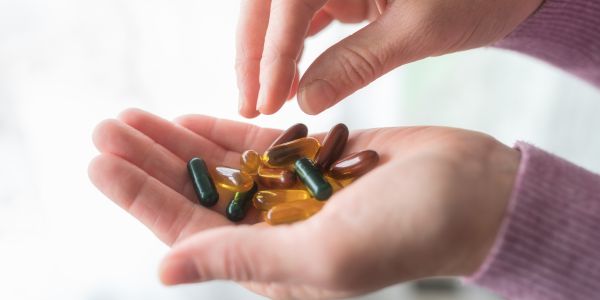
This is where food supplements come into play. These small pills, powders, tablets, or liquids, are like nutritional toolboxes, filled with everything our body needs to restore its health. But be careful, not all dietary supplements are created equal. Some are more suited to certain situations than others.
For post-surgical convalescence, for example, a protein-rich supplement will generally be beneficial and indicated, as it will help repair the tissue damaged by the operation.
Similarly, a supplement containing vitamins B, C and E can also be useful, as these vitamins help reduce inflammation and accelerate healing.
Finally, a supplement containing iron may be recommended, as iron helps compensate for any loss of blood at some point in an operation, especially after trauma such as an accident.
In the case of specific diseases, dietary supplements can also play an important role. For example, for cancer patients, a supplement containing antioxidants may be useful, as antioxidants protect cells from damage caused by chemotherapy treatments; your doctor may prescribe it as part of your post-surgical monitoring.
For patients with heart disease, a supplement containing omega-3 may be recommended, as omega-3 helps to reduce inflammation and improve the health of the heart, a vital organ among all.
However, it must be remembered that dietary supplements are no more miracle remedies than anything else. They can't replace a real balanced and varied diet – so think first of eating healthy, eating everything and eating all at once even if you have little appetite – nor compensate for an unbalanced and caressed lifestyle. They're here to complete, not replace. And as always, it is better to ask a health professional for advice before starting to take dietary supplements, as they can interact with other medicines or have side effects.
Conclusion
So, can food supplements really facilitate recovery? The answer is yes, but... Yes, they can help provide the necessary nutrients for our body to recover after a medical trial. But they must be used with caution, with discernment, with respect for our body. And this is probably where the true essence of medical dietetics lies.