Laboratoire Floralpina

Foods and nutrients beneficial to your puppy's health

Several people think first of the puppy when they decide to adopt a pet. This four-legged companion is very popular for his ease of dressing and unconditional love that he carries to his masters. You want to adopt a little dog and give it all the necessary care so that it is always fit? Here are the foods and nutrients beneficial to your puppy's health.

Croquettes

The puppy croquettes are balanced foods beneficial to the health of your puppy. They are rich in minerals, vitamins, lipids, proteins, but also carbohydrates. This puppy food is made from cereals and meat. Even if the ingredients vary by brand, these croquettes are made with basic products such as rice, vegetables, etc.

Not only are croquettes good for the health of puppies, but they allow you to save time to feed your little dog. Indeed, it is not necessary to prepare this food before giving it food to the puppy. All you have to do is unpack the package to pour the right ration into your puppy's bowl. Feeding your puppy with croquettes means being able to control its diet taking into account the calorie intakes indicated on the food packaging.

Eggs

The egg is an excellent source of protein beneficial to the health of puppies. It contains vitamins (B5, B2, A, D, etc.), fatty acids as well as essential amino acids that the dog body cannot make. The egg is also rich in minerals (phosphorus, iron and carotenoid). These components enhance the health of the puppy's claws, skin and eyes. They are also involved in the maintenance of dog coats and promote the general growth of puppies.

However, it is advisable to give eggs to puppies in moderation, as it is a food with a high energy density. If your puppy eats this food for the first time, it should be given in small amounts. This allows its digestive tract to gradually get used to it.

Note that puppies can eat scrambled eggs or as an omelette. However, it is not advisable to give your puppy uncooked egg white. In the raw state, this part of the egg contains a protein called avidine which is harmful to the health of dogs. This component degrades vitamin B8, which causes skin diseases and hair loss.

Apple

Apple is a food that contains a large amount of antioxidants. It is also rich in vitamin C (which enhances immunity), but also in vitamin A beneficial for the vision of dogs. In addition, the apple contains water and fibers that help preserve the health of the digestive system. Note that this food is low calorie, but like most fruits, contains sugar. So give your puppy some in moderation at the risk of weight gain.

Furthermore, it is advisable to rid the apple to serve the puppy of its part. This part contains seeds containing cyanide toxic to the health of puppies. For apple skin, it contains vitamins that keep animals healthy. However, it is necessary to wash this fruit to remove pesticides that stick to its skin. Finally, it is advisable to cut the pump into pieces in order to avoid the dog suffocating by drinking all at once.

Vitamins and minerals

Vitamins are nutrients that play a vital role in the health of the puppy. Even if the body does not need a large amount of vitamins, these are essential and a deficiency can make your puppy sick. They are classified into two major groups: water-soluble and liposoluble vitamins. Vitamins of the first (e.g. B and C) are quickly ejected from the body of dogs by excretion. They must be fed daily. Liposoluble vitamins (D, A, K and E) are stored in the puppy's liver and do not require regular intake.

Like vitamins, minerals are also part of the nutritional needs of puppies. In this nutrient category, there are trace elements (iodine, iron, copper, etc.) and macro-elements (magnesium, phosphorus, magnesium, etc.).

For example, phosphorus, potassium and calcium play a role in bone formation and strength. These minerals also have cardiac, nerve and muscle functions. The trace elements promote cellular gas exchange. The lack of minerals in your puppy's body can cause serious health problems.

These are the main foods and nutrients your puppy needs to always be fit. Besides these, you must regularly give water to your companion to keep him healthy. Note that outside the water, other nutrients and food must be brought to the small dog in a reasonable amount.
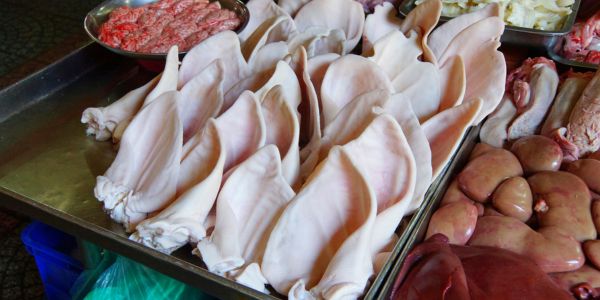
Are pork ears good for dogs?

Dog owners are increasingly concerned about their health and therefore reconsider many popular dog treats. Products like raw leather and even peanut butter are not as harmless as we thought. And you want to find a healthy and natural diet that is safe for your dog.

So there are two main questions: Are pig ears good for dogs... and are pig ears safe for dogs?

The answer is yes, but only if it is good pork ears. The same applies to cow's ears. Pig and cow ears for dogs can be a good treat... but you need to know what to look for and what to avoid when buying ears for your dog.

The benefits of pig ears for dogs

You might think that the ears are a very fat treat... but in fact, the pig and cow ears are both made of cartilage, so they are high in protein and relatively low in fat.

Cartilage contains natural glucosamine and chondroitin. Chewing ears can therefore benefit your dog's joints. They are soft and easy to chew... so they are perfect for dogs with sensitive teeth or dogs who prefer to chew quietly. Thinging your ears helps remove plaque and tartar, which promotes dental health... and chewing also contributes to the health of your dog's gums.

And since it's all about cartilage, pork and cow ears are very digested for your dog. Just watch your dog if he or she tends to chew his or her food without chewing it completely, so that he or she does not choke or suffocate by swallowing large pieces of ears.

Are pork ears safe for dogs?

When you buy pork ears for your dog, you need to check certain things to make sure they are safe. The most important thing is... how have the pork ears you buy for your dog been treated?

Pork ears are usually sold whole... so they can be recognizable like ears! To be safe for dogs, pork ears must be an unmodified whole ingredient. Do not buy strips or pieces of pork ears, as they are more likely to have been treated with chemicals.

Some suppliers of raw dog food sell frozen raw pork ears... and this is the best choice if you can get them.

Because of concerns about bacteria and trichina parasites in raw pork, it would be expected that cooked ears would be safer. But cooked ears have some traps.

  • Most of those you will find in stores are roasted, boiled or smoked to avoid salmonellosis. Despite this, they may present a bacterial risk or cause digestive disorders, or even intestinal occlusion if your dog does not chew them completely before swallowing them.
  • If you buy cooked pork or cow ears, choose cooked ears without any additives. They don't need chemicals or preservatives... and you have to check that they don't contain them before you buy them.
  • Some ears are irradiated to remove bacteria... but irradiation is not safe for your dog, so ask the manufacturer if he irradiates his pig ears. If the ears are white, they are probably irradiated.
  • Smoked ears are popular... but don't buy them. Always avoid smoked meat for your dog. Any smoked meat increases the risk of cancer.

Are cow's ears good for dogs?

Just like pork ears, cow ears are good for dogs if it is whole and raw ears. Buy them frozen and thaw them before giving them to dogs. Since they are made of cartilage, they can be a good chewing product that contributes to oral and joint health. But again, there are other things to consider when asking if cow's ears are safe for dogs.

Beware of cow ears that are cooked and can be treated with chemical additives or preservatives. If you buy cooked cow ears, look for cooked and unboiled or smoked ears.

Again, never give your dog smoked meat because of the increased risk of cancer from smoked products.

Read the small print or call the company to find out where the ears come from, whether they come from cows raised on pasture and whether they are entirely natural, without adding chemicals.

Some cow ears have been irradiated, which is not safe for your dog. Those that look white are most likely irradiated, which can be dangerous for your dog, so don't buy them. If in doubt, call the manufacturer to find out.

There's something else to consider. Cow's ears have fur, so they probably underwent chemical treatment to remove fur. Find out how your brand has been treated and avoid those that have been treated with chemicals.

Cow Ears VS Pig Ears for Dogs

There are two major differences between cow's ears and dog pig's ears.

The first is their nutritional content. As mentioned above, both are made of cartilage and provide your dog with natural glucosamine and chondroitin, as well as a chewing product that can contribute to oral health. But the pork ears are a little fatter than the cow ears. Pig ears contain about 15% fat and 22% protein... while cow ears contain about 12% fat and 26% protein.

The other big difference is in the fur when you buy cooked ears. Cow's ears are very hairy, while pig's ears have a few scattered hairs. So it is not necessary to remove hair from cooked pork ears... and if the manufacturer does, it may be by bleaching or scrubbing the ears.

Cows have much more hair than pigs! Raw ears from a supplier of raw dog food will probably still have their hairs... which bring precious fibers to your dog. But, as we said earlier, cooked cow ears will have been rid of their fur... and that's where you have to ask how this was done to make sure that no chemical was used in the process.

Ears raised in pasture are the best

If you can... buy ears from grazing animals. Feeding animals are nutritionally superior, with a better ratio between omega-6 and omega-3 fatty acids. Unlike meat from industrial farms, they do not receive antibiotics or deworming. And they eat the food provided by nature instead of the feed given to the industrial farm animals... which are mainly GMO corn and soybean flour.

Animals raised on pasture are more environmentally friendly... and ethically, animals lead a healthier, happier and less stressed life.

Always wash your hands and surfaces after handling them. Teach your children to wash themselves too, or keep them away from these treats!

Beware of raw leather false ears

Some manufacturers try to deceive you by offering you raw leather that looks like pig or cow ears. Raw leather is dangerous enough for dogs because of its indigestibility, chemical treatment, other toxins such as heavy metals and the risk of intestinal occlusion, so don't buy these false semblances.

Give ears with moderation

The ears are big treats, so even with one ear, calories can accumulate very quickly. If you give your dog pig or cow ears, take them into account in its daily diet... or you may end up with an obese dog.

Watch your dog with chewing products

Always watch your dog when you give him a treat or a chewing bone, whatever his chewing experience. Any candy to chew may be at risk of choking. Large pieces can detach and cause blockages. (This is another reason to avoid false ears in raw leather... raw leather is known to cause blockages).

Your dog may also be a goinfre and try to swallow the entire ear. So... never leave your dog unattended with a long-term chewing object.

Other questions about pork ears

Are pork ears digested for dogs?

Pig ears are made of cartilage, which is 100% digested for dogs. Raw ears are softer and easier to digest, but cooked ears can sometimes be too dry and harder for your dog's digestive system.

Are pork ears better than raw leather?

Yes, pork ears are better and much safer than raw leather. Raw leather is often treated with chemicals and can be contaminated with other toxins. The raw leather is indigestible and is known to cause intestinal obstructions.

Do pork ears give dogs diarrhea?

Although pork ears (especially raw ones) are composed of 1000 % easily digestible cartilage, any new food can give your dog diarrhea or soft stools. You can start slowly and cut pork ears into smaller portions until you see how your dog manages the meat.

Taking into account the above precautions, you can therefore give your dog a treat based on pig or cow ears from time to time. Raw, natural and unaltered food is always the best!